Plumbing is judged entirely on what it does not do. It should not leak, it should not smell, it should not hammer when a tap closes, and it should not need to be opened up again a year later. Everything that achieves that happens before the wall is closed: proper falls, proper supports, and a pressure test that was genuinely held rather than written down.
We pressure-test and record every run before anything is covered, and we photograph services in walls and floors before closing. When somebody needs to find a pipe in three years, there is a picture of exactly where it is.
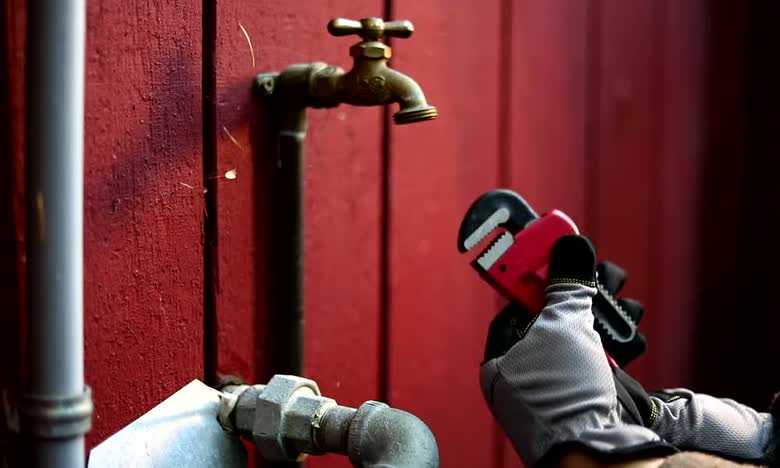
UAE water is hard, and a tank sitting in 45-degree ambient does things to both the water and the fittings. Scale shortens the life of heaters, cartridges and solenoid valves, and incorrect material choices on hot runs fail far faster here than the datasheet suggests. We select pipe and fittings for the actual conditions, insulate hot and cold properly, and fit isolation where a future repair will need it rather than where it is quickest to install.
The same team and the same standards across every sector we work in. What changes is the programme, the access and the approvals — not the quality of the work.
Hot and cold distribution in PPR and PEX, pressure tested and recorded, with isolation valves placed where a future repair will actually need them.
Soil and waste set to correct falls with proper venting and accessible rodding points, so a future blockage is a visit and not a demolition.
Supply and installation of WCs, basins, baths, shower sets and concealed cisterns, set out to the tile grid rather than fighting it.
Electric and central heaters, booster sets and pressure vessels, sized to the actual demand and sited where they can be serviced.
Tracing leaks to the source with proper equipment before anything is opened up, so the repair is targeted rather than exploratory.
Pressure tests held and recorded, drainage proven, and photographs of every service run before walls and floors are closed.
A few jobs that show how we approach this trade.
Four bathrooms re-piped and re-set, with falls to linear drains confirmed by flood test before tiling, and every run photographed and logged before closing.
Kitchen drainage, grease management and hot water sized to the equipment schedule, commissioned and signed off ahead of the municipality inspection.
Riser isolation and replacement of corroded hot-water branches across six floors, worked floor by floor so no resident lost water for more than a single morning.
Always, and we record it. We also photograph every service run before it is covered, so the information exists when somebody needs it later.
Yes. We trace it with proper detection equipment first, so the opening-up is targeted. Exploratory demolition is a last resort, not a starting point.
Yes — sized to the actual demand of the property and sited so they can be serviced without dismantling a cupboard.
Usually undersized pipework or a booster set that was never matched to the property. It is diagnosable — we measure rather than guess before recommending anything.
Yes. It is nearly always a dry or missing trap, or venting that was never installed correctly. Both are fixable once you find which.
Yes. Risers and branches are normally phased so no apartment is without water overnight, with the sequence agreed before we start.