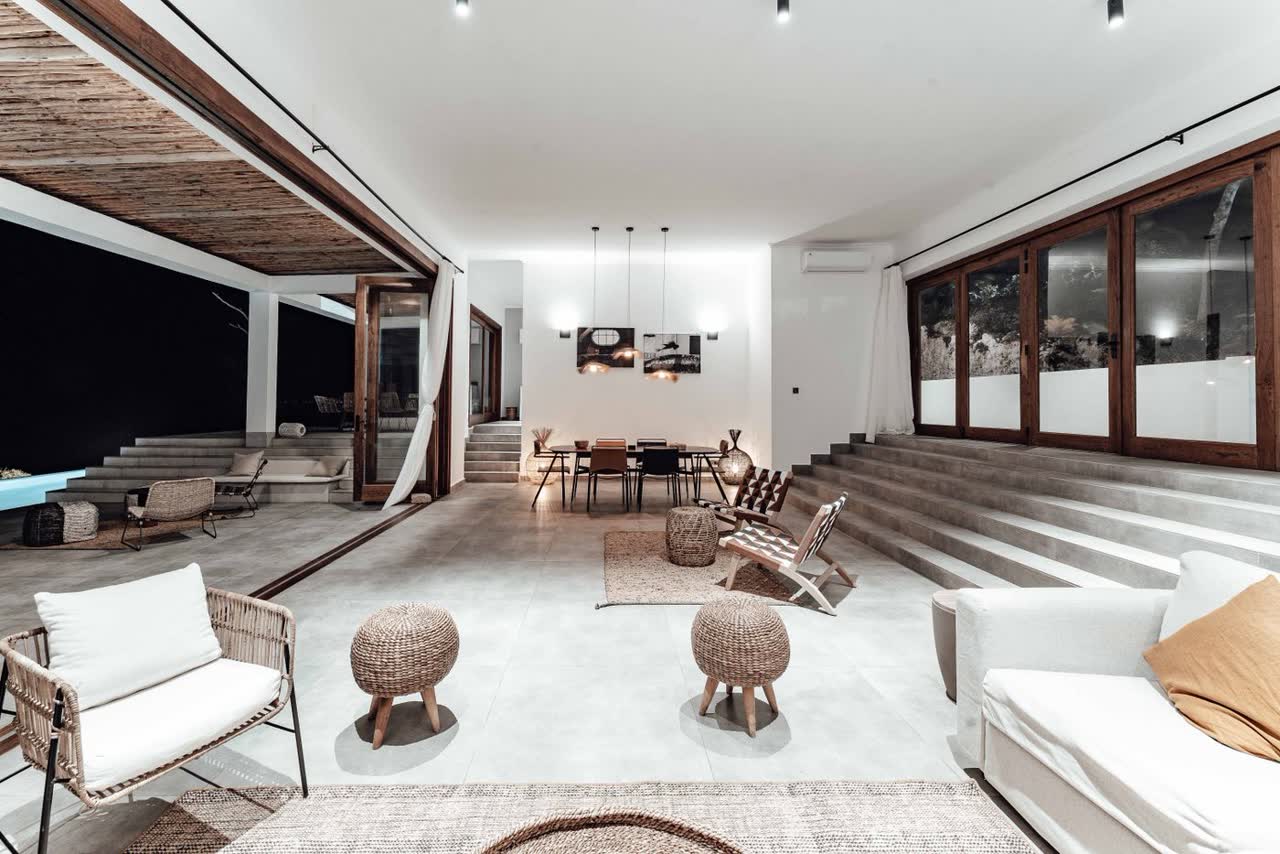
Almost every tiling failure is a preparation failure. Floors that drum underfoot, grout that cracks in a straight line, a shower tray that holds water in the corner — none of those are caused by the tile. They are caused by what went under it, and by setting out that was decided on the day instead of before the first box was opened.
We level, check moisture and plan the grid before anything is fixed, then fix on a full bed with the adhesive class the format and the location actually require. It takes longer at the start and it is the reason you are not calling us back in year two.
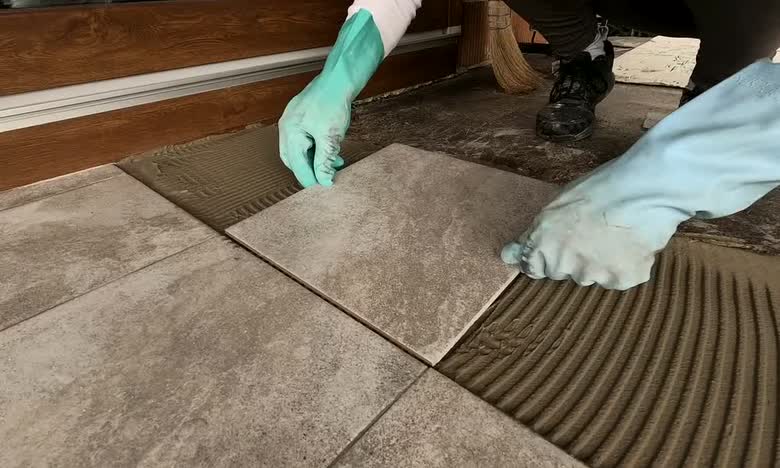
Large-format porcelain over a sand-cement screed moves differently here than it does in a temperate climate, and a floor that runs from an air-conditioned living room to a terrace sees a real temperature swing across a single threshold. We set movement joints where that movement actually happens, use adhesives rated for the exposure rather than the cheapest that passes, and allow screeds the drying time they need instead of the time the programme would prefer.
The same team and the same standards across every sector we work in. What changes is the programme, the access and the approvals — not the quality of the work.
The grid is planned from the main sightline into the room, so full tiles land where the eye goes and cuts finish where nobody looks. Agreed with you on a drawing before fixing starts.
Sand-cement and self-levelling compounds, laid to falls where water has to go somewhere. Moisture-tested before anything is laid over them.
Large-format, rectified and anti-slip, wet areas included. Solid-bed fixing, back-buttered where the format needs it, so nothing is hollow.
Supply, fix, grind and polish, with the right sealer for the stone and honest advice on what each one will and will not tolerate.
Warehouse, workshop and kitchen floors rated for forklift traffic and chemical exposure, laid over a moisture-tested slab with bay joints in the right places.
Click and glue-down systems over a properly levelled base, with expansion allowance at perimeters and matching trims and thresholds.
A few jobs that show how we approach this trade.
Full strip-out and relevel of a floor that was 19mm out across the living area, then 1200x600 porcelain laid in a single grid running through to the balcony threshold. No packers, no hollow spots.
640 sqm of broadcast epoxy over a moisture-tested slab, laid in bays around the existing racking so the unit never fully closed. Rated for the forklift traffic actually in use, not the traffic assumed.
Four bathrooms in book-matched marble, falls set to the linear drains and the slabs dry-laid and numbered before any was fixed, so the veining runs continuously across the wall.
Porcelain and ceramic, natural stone and marble, LVT and vinyl, epoxy and polyurethane, laminate and engineered timber, and cement screeds as a base for any of them.
Yes — self-levelling and broadcast epoxy and PU systems rated for forklift traffic, laid over a moisture-tested slab with bay joints in the right places.
Yes, including demolition, grinding back adhesive residue and disposal. It is priced as part of the works, not produced as an extra once the job has started.
Light foot traffic typically 24 hours after grouting, full load after seven days. Fast-set systems are available where the programme genuinely needs them.
Almost always dot-and-dab fixing, where adhesive was placed in blobs rather than a full bed. It will eventually crack or lift. We fix on a solid bed for exactly this reason.
Often, if the range is still produced. If it is not, we will tell you straight away and talk about where a sensible break line could go instead of pretending a near-match will pass.